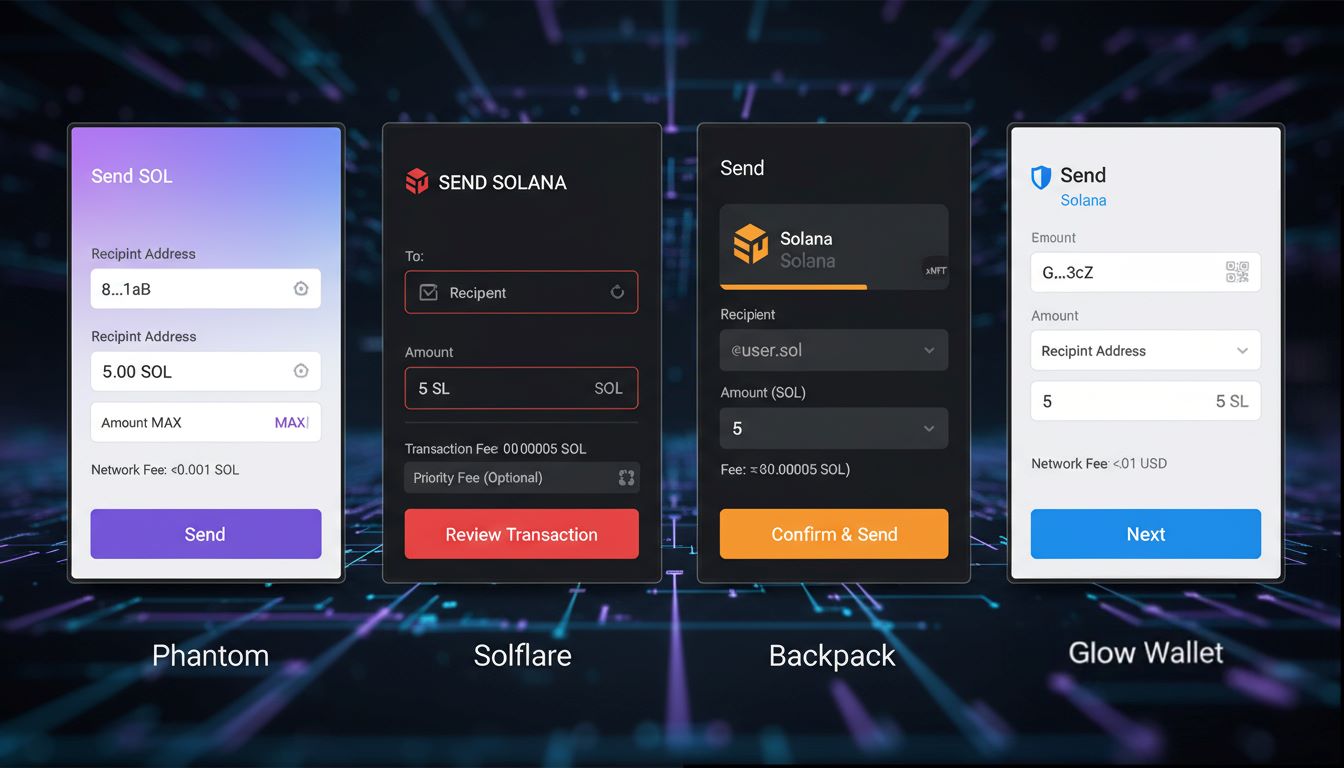
Which best solana wallet is fastest for sending and receiving sol?

Solana’s blockchain delivers unmatched speed with 65,000 transactions per second, making it the fastest Layer 1 network for cryptocurrency transfers. When you buy solana crypto, choosing the right wallet becomes crucial for maximizing these speed advantages in real-world usage. While Solana’s infrastructure sets the foundation for lightning-fast transactions, your wallet’s user experience and backend optimization directly impact how quickly you can send and receive SOL tokens.

Solana’s Speed Advantage: A Technical Deep Dive into Why Stablecoin Transfers Are Cheaper and Faster

With a stablecoin supply exceeding $15 billion, Solana has emerged as the third-largest blockchain ecosystem for stablecoins, challenging Ethereum’s dominance through superior technical architecture. While Ethereum processes a mere 15-30 transactions per second with unpredictable gas fees that can surge during network congestion, Solana consistently delivers 65,000 TPS with predictable sub-cent transaction costs. This dramatic performance gap stems from fundamental architectural differences that position Solana as the preferred infrastructure for high-volume stablecoin operations.

Beyond USDC: Exploring the Rise of Niche Stablecoins on the Solana Network

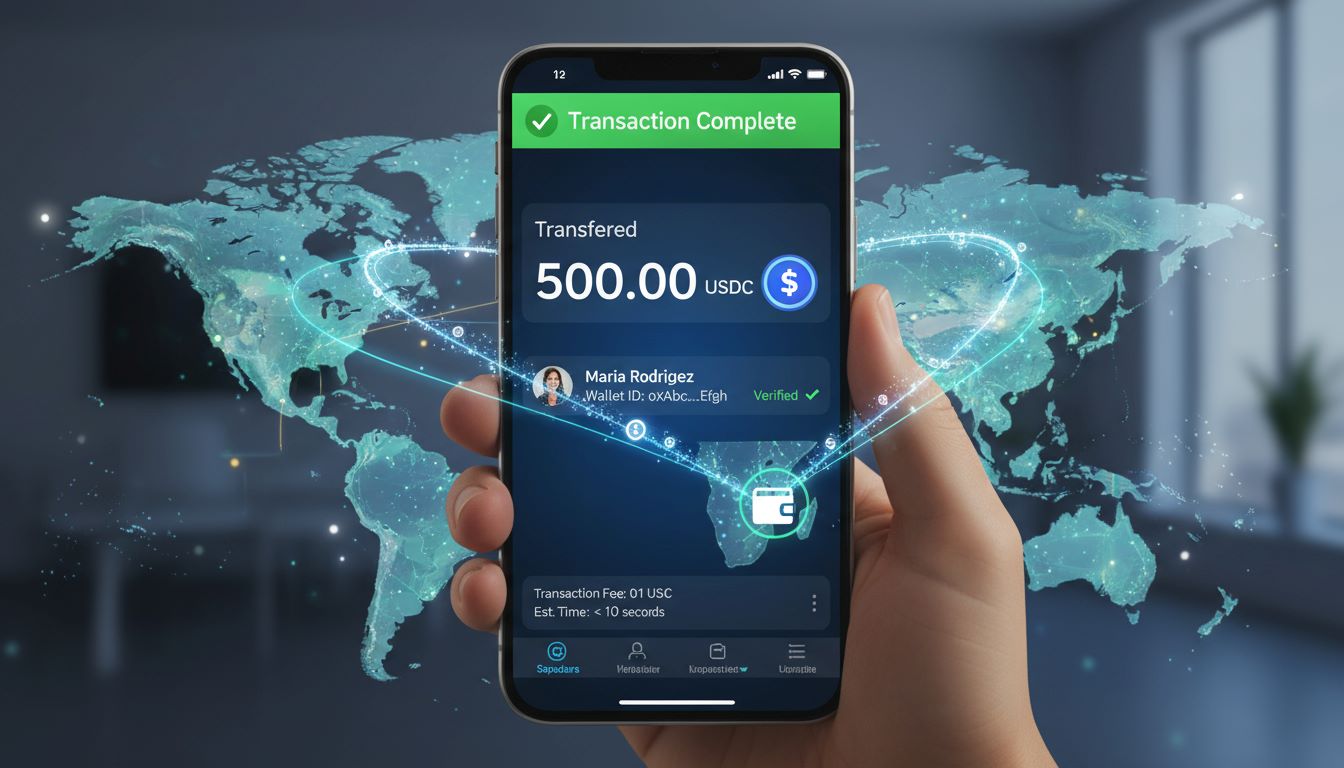
Solana has rapidly emerged as the leading blockchain for stablecoins and high-speed financial transactions, cementing its position through unparalleled transaction throughput and remarkably low fees. While USDC and USDT dominate the mainstream stablecoin landscape, a new wave of specialized stablecoins is transforming Solana’s DeFi ecosystem with innovative features and targeted use cases.

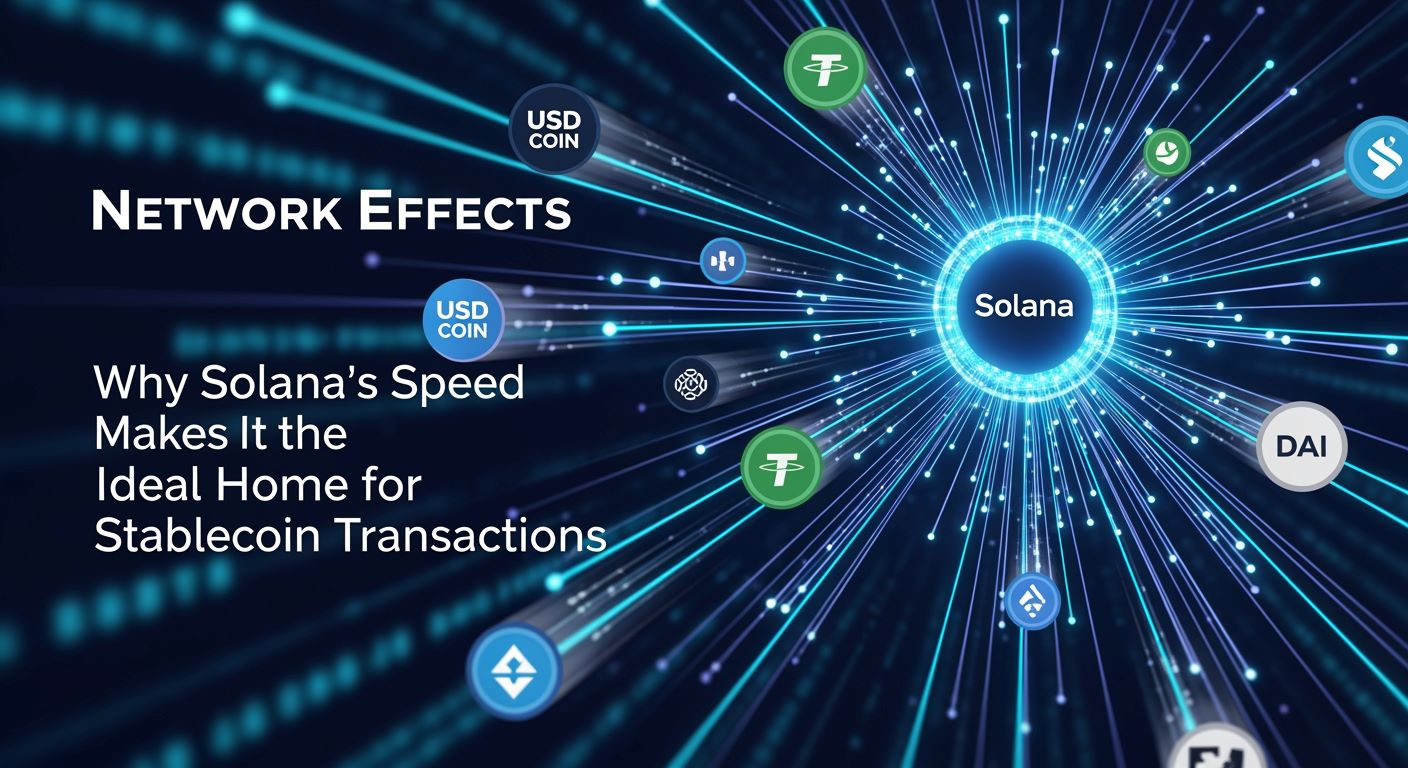
Network Effects: Why Solana’s Speed Makes It the Ideal Home for Stablecoin Transactions

Solana’s stablecoin ecosystem has experienced unprecedented growth since 2024, transforming from a promising Layer 1 network into the blockchain of choice for high-frequency stablecoin transactions. With over $8 billion in stablecoin market capitalization and processing more than 40% of global stablecoin transaction volume, Solana has established itself as a dominant force in digital payments infrastructure. The network’s ability to handle over 2,000 transactions per second at sub-penny costs has attracted institutional adoption from major financial services companies, payment processors, and cross-border remittance providers.

Stablecoin Showdown: How USDC Became the Dominant Force on Solana

The decentralized finance landscape has witnessed a remarkable transformation, with stablecoins emerging as the backbone of digital asset transactions and DeFi protocols. Among the various blockchain ecosystems, Solana has established itself as a powerhouse for stablecoin activity, processing billions in daily transaction volume with its high-speed, low-cost infrastructure. This surge in stablecoin adoption represents more than just a shift in payment preferences—it signals a fundamental evolution in DeFi architecture, where seamless value transfer and liquidity provision have become critical success factors.

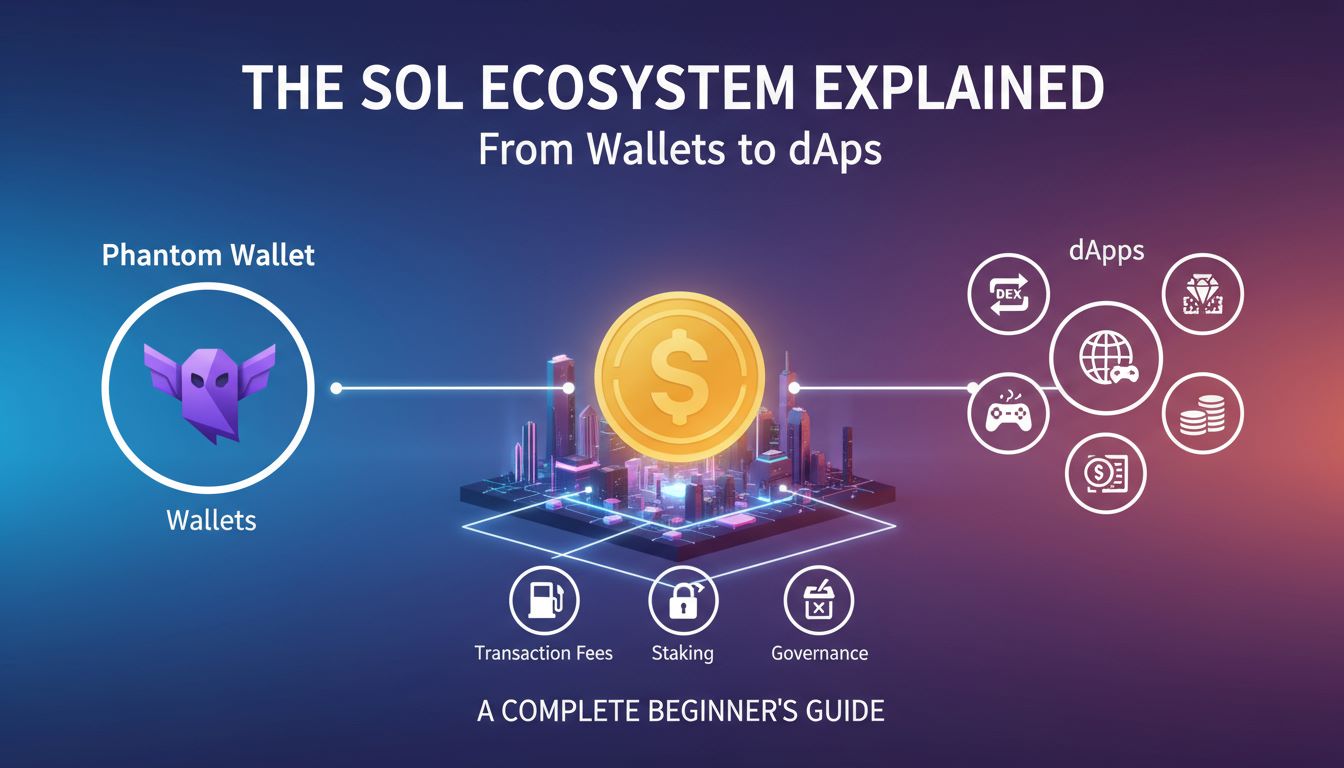
The SOL Ecosystem Explained: From Wallets to dApps – A Complete Beginner’s Guide

Solana has emerged as one of the fastest-growing blockchain ecosystems, delivering transaction speeds that can handle up to 65,000 transactions per second with sub-second block times and fees typically under $0.01. This impressive performance stems from Solana’s unique Proof of History consensus mechanism and innovative architecture that processes transactions in parallel rather than sequentially like traditional blockchains.

Is Biometric Security the Future of Crypto Wallets?

The cryptocurrency landscape faces an unprecedented security crisis. As digital assets gain mainstream adoption, crypto wallet security vulnerabilities expose millions of users to catastrophic losses through phishing attacks, seed phrase compromises, and sophisticated social engineering schemes. Traditional authentication methods—passwords, PINs, and 12-word seed phrases—create friction barriers that simultaneously frustrate users and fail to prevent determined attackers from accessing private keys.

How Wallet Integration Shapes DeFi Accessibility

Wallet integration in DeFi represents the seamless connection between digital wallets and decentralized financial protocols, enabling users to interact directly with lending platforms, decentralized exchanges, and yield farming opportunities without intermediaries. This integration serves as the gateway that transforms complex blockchain interactions into accessible financial tools, extending DeFi’s reach beyond cryptocurrency enthusiasts to everyday users seeking financial autonomy.

The Best Practices for Storing Stablecoins Safely

The rapid adoption of stablecoins across both retail and institutional markets has introduced unprecedented security challenges that demand sophisticated storage strategies. As these digital assets become integral to trading, payments, and treasury management, the need for robust protection mechanisms has never been more critical.

What Happens to Your Crypto When You Lose Your Keys?

In the world of cryptocurrency, private keys serve as the ultimate proof of ownership and the only way to access your digital assets. Unlike traditional banking where you can recover a forgotten password through customer service, crypto operates on a decentralized system where you alone hold the keys to your financial kingdom. This fundamental principle makes private keys both empowering and terrifyingly final—lose them, and your crypto could be gone forever.